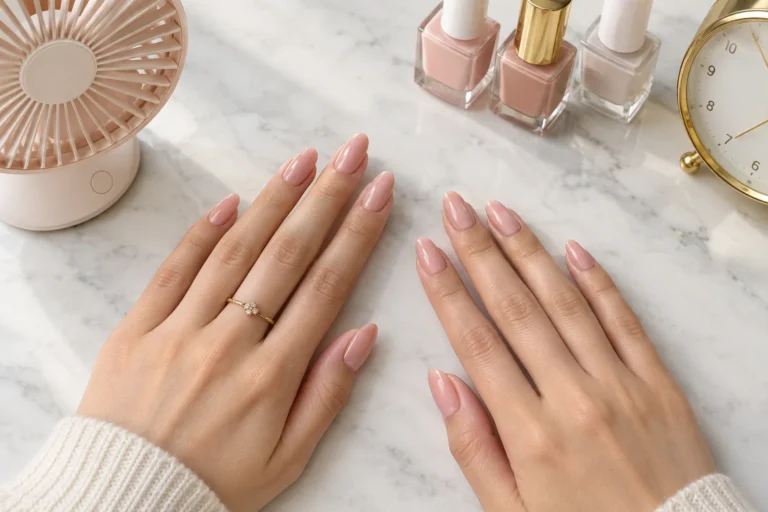

Your remover bottle is empty. Your nails are chipped. You need clean nails now. Don’t worry. You can learn how to remove nail polish without nail polish remover using things you may already have at home.
This post shows seven simple ways to do it. You will see which ones work best, how to use them, and what to avoid. Each step is short and easy to follow.
Table of Contents
- Why Home Items Can Remove Nail Polish
- What You’ll Need
- How to Remove Nail Polish Without Nail Polish Remover
- Quick Comparison of All Methods
- What About Glitter and Gel Polish?
- Common Mistakes to Avoid
- How to Care for Your Nails Afterward
- Frequently Asked Questions
- Conclusion
Why Home Items Can Remove Nail Polish
Nail polish is made of color, plastic, and liquids called solvents. The solvents keep polish wet in the bottle. When you paint it on, they dry up. Then the plastic turns hard and shiny.
To remove polish, you must soften that hard layer. Nail polish remover does this fast. Some home items can do it too, just slower. Many of them contain alcohol, and alcohol can loosen regular polish.
So be patient. You may need to rub a bit longer. That is normal.
What You’ll Need
Set up first. It makes the job smoother.
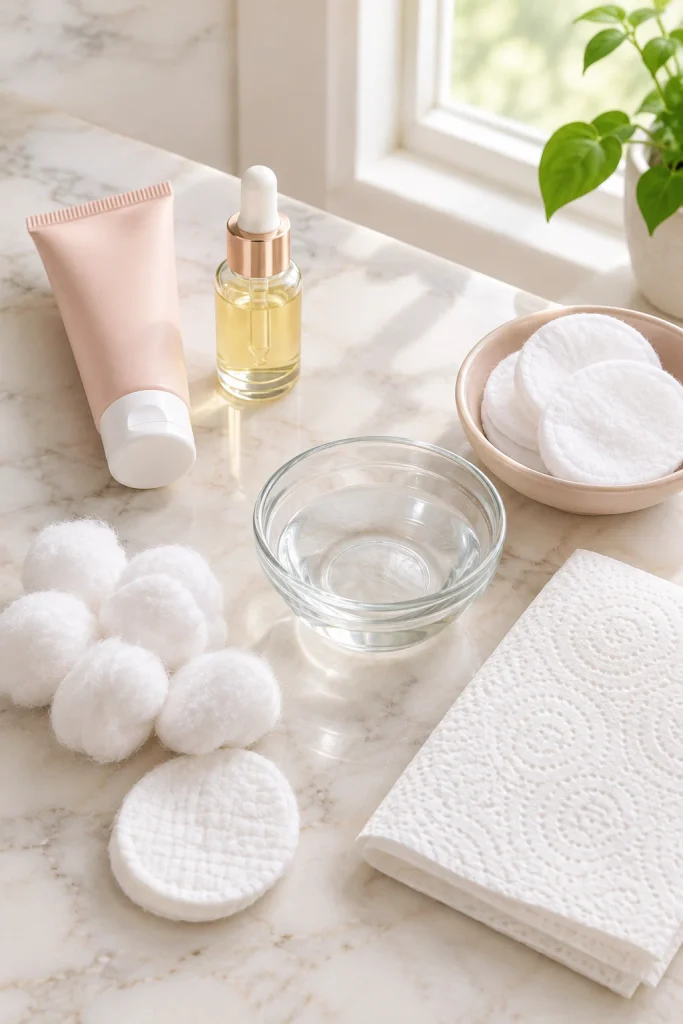
- Cotton balls or cotton pads.
- A paper towel to protect your table.
- A small bowl.
- Hand cream or cuticle oil.
- An open window or a well-aired room.
Safety note: Alcohol can catch fire. Keep candles, lighters, and the stove far away while you work.
How to Remove Nail Polish Without Nail Polish Remover

1. Hand Sanitizer
This is one of the best options. Hand sanitizer is mostly alcohol. Pick one with at least 60 percent alcohol. Weak ones will not work well.
Put a good amount on a cotton pad. Press it on your nail for about 20 seconds. Then rub in one direction until the color lifts. Use a fresh pad when the old one gets dirty.
2. Rubbing Alcohol
Rubbing alcohol is even stronger. The 90 percent kind works faster than the 70 percent kind. Both can do the job.
Wet a cotton ball. Hold it on the nail for 15 to 30 seconds. Then wipe the polish off with firm strokes. Alcohol dries the skin, so wash your hands and add cream after.
3. Perfume or Body Spray
Many perfumes and body sprays have alcohol in them. That is why a spritz can smudge wet polish. You can use this on purpose.
Spray a cotton pad until it is damp. Rub the nail until the polish melts away. Results change from one product to another. Strong scents can bother some people, so open a window.
4. Hairspray
Older hairsprays often have more alcohol. New ones may have less, so this method is hit or miss.
Spray a cotton pad until it is wet. Rub the nail. Hold the can at arm’s length and do not breathe in the mist. If nothing happens after one minute, try a different method.
5. Another Nail Polish
This sounds odd, but it works. Fresh polish has the same solvents that made the old polish soft. A new coat can melt the old one.
Paint a thick coat of clear top coat over the nail. While it is still wet, wipe it off with a cotton ball. The old polish comes off with it. Do one nail at a time because polish dries fast.
Pro Tip: Use a clear top coat. It will not leave color stains on your nail.
6. Toothpaste
Toothpaste is gentle. It works best on thin or worn-out polish. Use plain white paste, not gel. The tiny grit helps scrub the polish off.
Put a small dab on the nail. Scrub with an old toothbrush or cotton pad for one to two minutes. Rinse with warm water. You may need to repeat it a few times.
7. Vinegar and Lemon Juice
This is the mildest method. It needs the most patience. Mix equal parts white vinegar and lemon juice in a small bowl.
Soak your fingertips for about 10 minutes. Then rub each nail with a cotton pad. Repeat if color is still there. This works best on old, thin polish. A fresh manicure may not budge.
Quick Comparison of All Methods
Not every method works at the same speed. Use this table to pick the best one.
| Method | Speed | Effort | Best For |
| Hand sanitizer | Fast | Low | Most regular polish |
| Rubbing alcohol | Fast | Low | Stubborn regular polish |
| Perfume or body spray | Medium | Medium | Quick fix at home |
| Hairspray | Slow | Medium | Light or chipped polish |
| Another nail polish | Fast | Low | Fresh coats |
| Toothpaste | Slow | High | Thin, worn polish |
| Vinegar and lemon juice | Slow | High | Old, thin polish |
In a hurry? Start with rubbing alcohol or hand sanitizer. Fixing just one chipped nail? Try the polish-on-polish trick.
What About Glitter and Gel Polish?
Regular polish is the easiest to remove at home. Glitter and gel are harder. Here is what to expect.
Glitter Polish
Glitter polish holds on tight. Alcohol can still work, but it takes more time. Press a soaked cotton pad on the nail for a full minute. Then rub. The wait lets the polish soften so the glitter can let go.
Gel Polish
Gel polish is dried under a UV or LED lamp. This makes it very strong. Sanitizer, alcohol, and other home items will not break it down. Real gel removers use acetone.
If you have no remover, leave the gel on until you can buy the right product. Do not peel or scrape it. That pulls off layers of your real nail. Your nails can stay thin and sore for weeks.
Common Mistakes to Avoid
Small errors can hurt your nails. Watch out for these:
- Peeling the polish off. This takes layers of your nail with it.
- Using harsh chemicals. Bleach, paint thinner, and gasoline are not safe for skin.
- Working near fire. Alcohol and sprays burn easily.
- Rubbing back and forth. Wipe in one direction. This keeps polish from smearing on your skin.
- Skipping hand cream. Alcohol and acids dry out nails fast.
How to Care for Your Nails Afterward
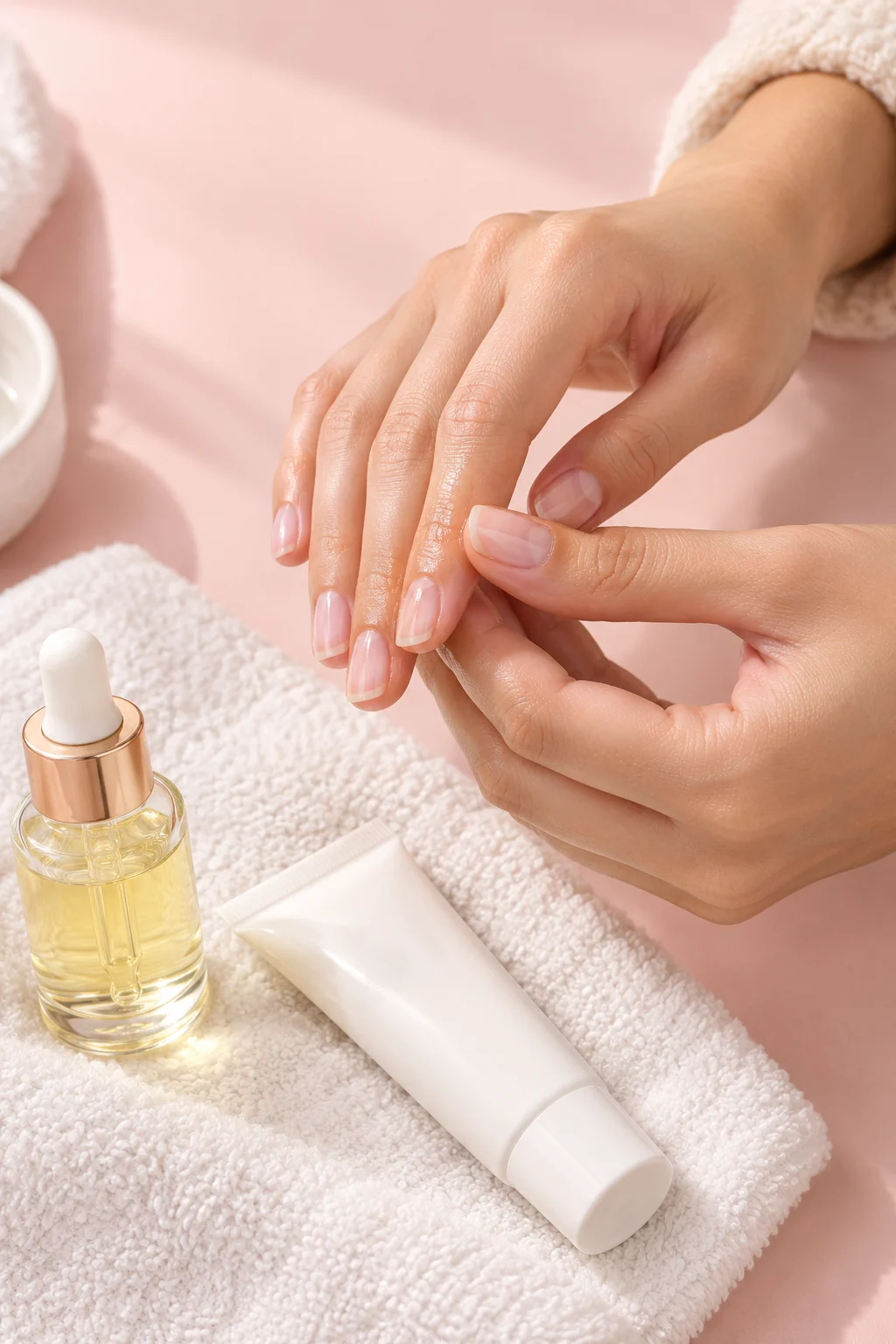
When the polish is gone, wash your hands with mild soap and warm water. This clears away leftover residue. Pat dry with a soft towel.
Now add cuticle oil or thick hand cream. Rub it into your nails and the skin around them. This step matters because alcohol removes natural moisture.
Plan to repaint? Wait a day or two first. Bare nails get time to rest. Your next manicure may also last longer.
Frequently Asked Questions
Can I use water to remove nail polish?
No. Water cannot melt nail polish. Warm soapy water may loosen a thin layer, but it will not clear a full manicure.
Is rubbing alcohol safe for nails?
Yes, for now and then. Using it often can dry your nails and skin. Always add moisturizer after.
Does toothpaste really work?
Sometimes. It can help with thin, worn polish. It is slow, and thick coats usually need something stronger.
How long does it take?
Hand sanitizer or strong rubbing alcohol takes about 10 to 15 minutes for all ten nails. Toothpaste and vinegar can take 20 minutes or more.
Conclusion
Now you know how to remove nail polish without nail polish remover. Hand sanitizer and rubbing alcohol work best on regular polish. The polish-on-polish trick is great for fresh coats. Toothpaste and vinegar suit thin, old polish.
Gel needs acetone, so wait for the right product. Always rub in one direction, keep fire away, and finish with hand cream. A little patience keeps your nails strong and ready for your next color.